
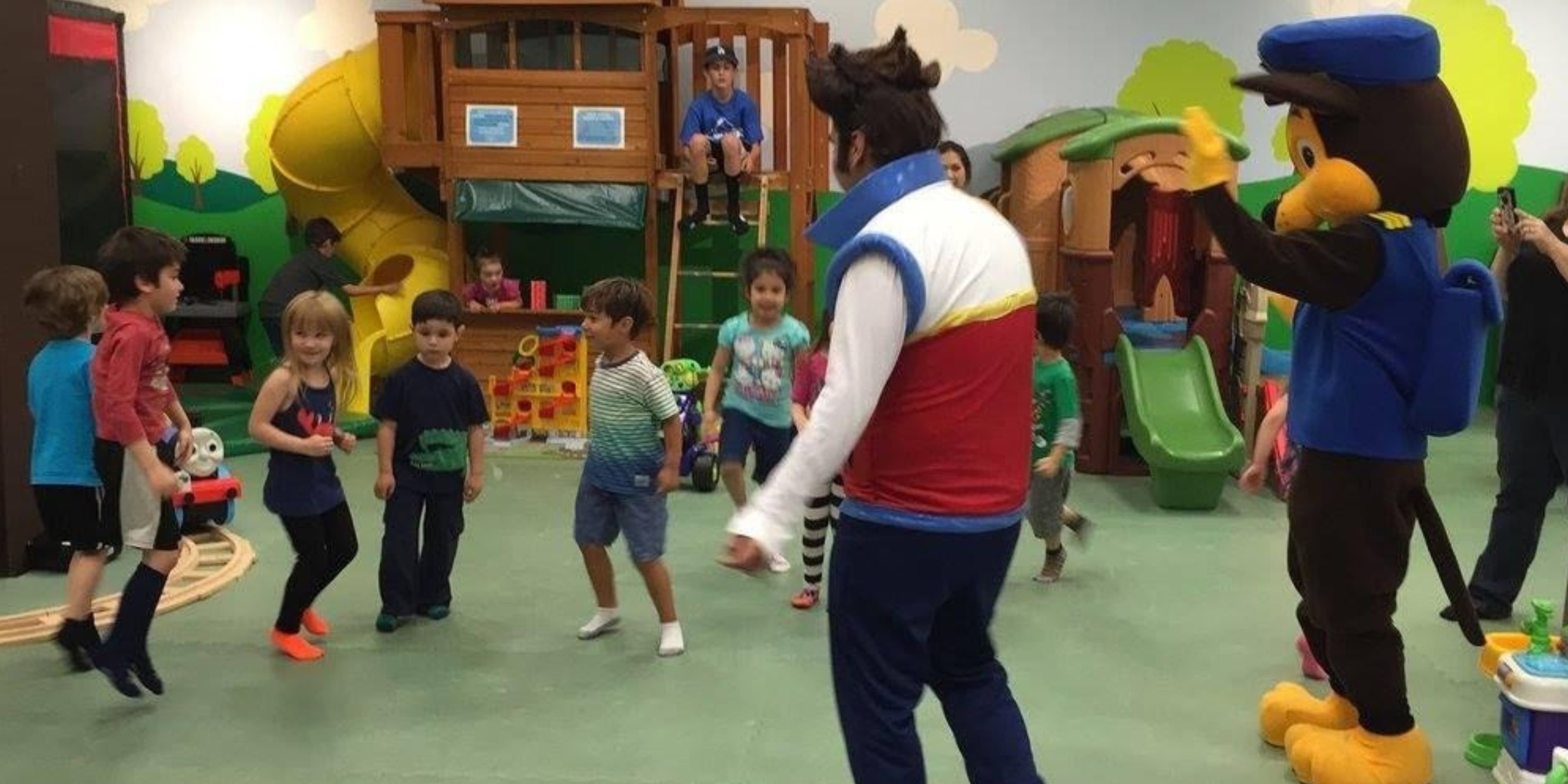
Why Do Child Development Experts Recommend Structured Play at an Indoor Playground in Los Angeles?

Rockin Kids Burbank
Child development experts are not just saying kids “should play more.” They are pointing to how children play, and why structured play at an indoor playground in Los Angeles supports healthy growth in ways free‑for‑all play often cannot. Instead of leaving kids to figure everything out on their own, structured play mixes clear rules, movement, and social interaction in a safe setting. That mix is exactly what young minds and bodies need.
What does structured play really mean?
Structured play is not about strict schedules or military drills. It means play with simple rules, goals, and boundaries. Think obstacle courses, guided games, and themed activities, not just random running around. This kind of play helps kids:
- Understand how to take turns
- Follow directions without constant reminders
- Learn how to stick with a task
In an indoor playground in Los Angeles, staff and equipment can guide kids through these patterns naturally, without making it feel like a school lesson.
How does structure build physical skills?
Running and jumping matter, but they matter more when kids move with purpose. Structured play turns physical activity into skill-building. For example:
- Climbing nets with a clear start and end point improves coordination.
- Timed obstacle courses teach balance and timing.
- Guided games like “red light, green light” build body control and listening.
These small patterns add up to better strength, balance, and confidence. Over time, kids stand taller, move more smoothly, and feel less afraid to try new things.
Social skills that come from organized play
Free‑play on its own can feel chaotic. Some kids dominate. Others stand on the edges. Structured play gives every child a role. Guided activities such as:
- Circle games with simple rules
- Team relays with clear instructions
- Turn‑based challenges
help children learn to:
- Wait for their turn
- Share space and equipment
- Listen to others and respond politely
In a busy indoor playground in Los Angeles, these skills become muscle memory. Kids practice cooperation without even realizing they are learning.
Focusing attention and building self‑control
Young children struggle with attention because their brains are still wiring themselves for focus. Unstructured play can feel overwhelming, not calming. Structured play shortens the loop between:
- A clear instruction
- A simple action
- A satisfying result
When kids know what to do, and see the game finish cleanly, they can practice paying attention and regulating their energy. This is the foundation for staying on task in school and home life later on.
Emotional growth through safe challenges
Structured play also gives kids safe ways to feel scared, brave, and proud. Climbing a little higher, sliding a bit faster, or finishing a mini‑course they thought they could not do builds emotional resilience.
In a controlled indoor playground in Los Angeles:
- Padding and soft surfaces lower the risk of real injury.
- Staff and helpers stay nearby, ready to cheer or step in.
- Visual cues and clear boundaries help kids judge their limits.
Children learn that it is okay to try something hard, struggle, and then feel proud of themselves. This kind of experience builds confidence from the inside out.
How does Burbank fit into the picture?
For families in the northern LA area, playgrounds in Burbank offer a practical middle ground. These spaces keep the same indoor benefits, safe floors, soft materials, and activity zones, while staying close to home.
Playgrounds in Burbank often:
- Mix climbing structures with quiet corners
- Offer age‑appropriate play areas
- Include simple rules and rotations so kids do not feel lost
Local parents can use these venues for quick weekday visits or longer weekend sessions, making structured play a regular habit instead of a rare treat.
FAQs
Why do child development experts prefer structured play over free play?
Experts see structured play as a way to teach focus, rules, and turn‑taking without making it feel like a lesson. Free play still matters, but structured play builds the skills children need to thrive in school and group settings.
What skills do kids gain from structured play at an indoor playground in Los Angeles?
Children improve physical coordination, learn to follow directions, build social skills like sharing and waiting their turn, and practice emotional regulation as they handle new challenges in a safe space.
Can Playgrounds in Burbank support structured play for toddlers and older kids?
Yes. Most playgrounds in Burbank divide play areas by age, with softer zones for toddlers and more complex structures for older children, so structured activities can match each child’s stage of development.
How do indoor playgrounds handle overstimulation from too much noise or activity?
Indoor playgrounds use design features such as quiet corners, clear boundaries, and staff‑led rotations between high‑energy and calm activities to help kids reset and avoid sensory overload.
How often should a child visit an indoor playground in Los Angeles for healthy development?
Experts suggest regular, moderate play rather than long, exhausting sessions. A few visits or free‑play blocks per week, with built‑in breaks, can strongly support physical, social, and emotional growth over time.